If you’ve been following the recent news from the Grand Canyon, you may be looking at your travel plans and wondering, “Should I cancel my trip to the Grand Canyon?” It’s an understandable question, especially after deadly flash flooding brought heartbreak, closures, and major disruptions to parts of the park.
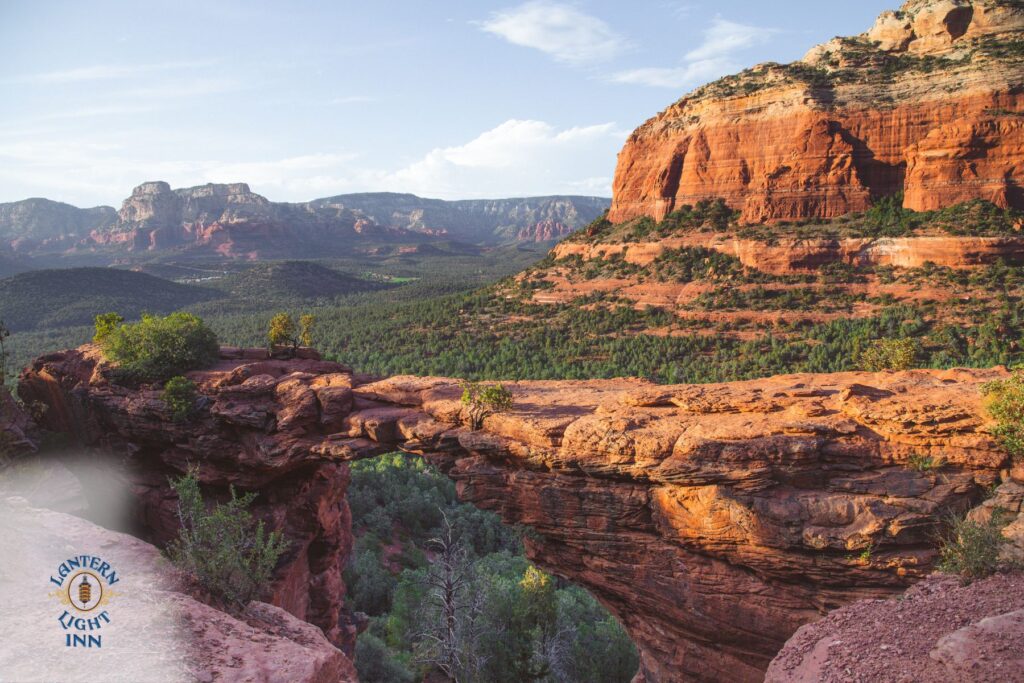
But canceling your Northern Arizona trip altogether may not be necessary. Instead, consider a detour. Sedona and the surrounding region offer plenty of ways to fill those suddenly open days. Consider red-rock hikes, scenic drives, historic sites, and some pretty spectacular views. Your Grand Canyon plans may need to change, but your Northern Arizona adventure doesn’t have to disappear with them.
Key Takeaways
- Recent flash flooding at the Grand Canyon caused evacuations, infrastructure damage, and resulted in two fatalities, with one person still missing.
- The South Rim remains open for day use, but lodging is suspended due to water supply issues after the flood.
- Travelers can consider Sedona as an alternative destination, offering hiking, scenic drives, and historical sites just two hours away by car.
- Five alternative hikes near Sedona include Sycamore Canyon, Cathedral Rock, Munds Wagon Trail, Woodchute Trail, and Hot Loop Trail.
- Visitors should adapt their Grand Canyon plans while still enjoying Northern Arizona, especially during the beautiful fall season.
- Get 20% off your stay at the Lantern Light Inn using code DETOUR.
What Happened at the Grand Canyon?
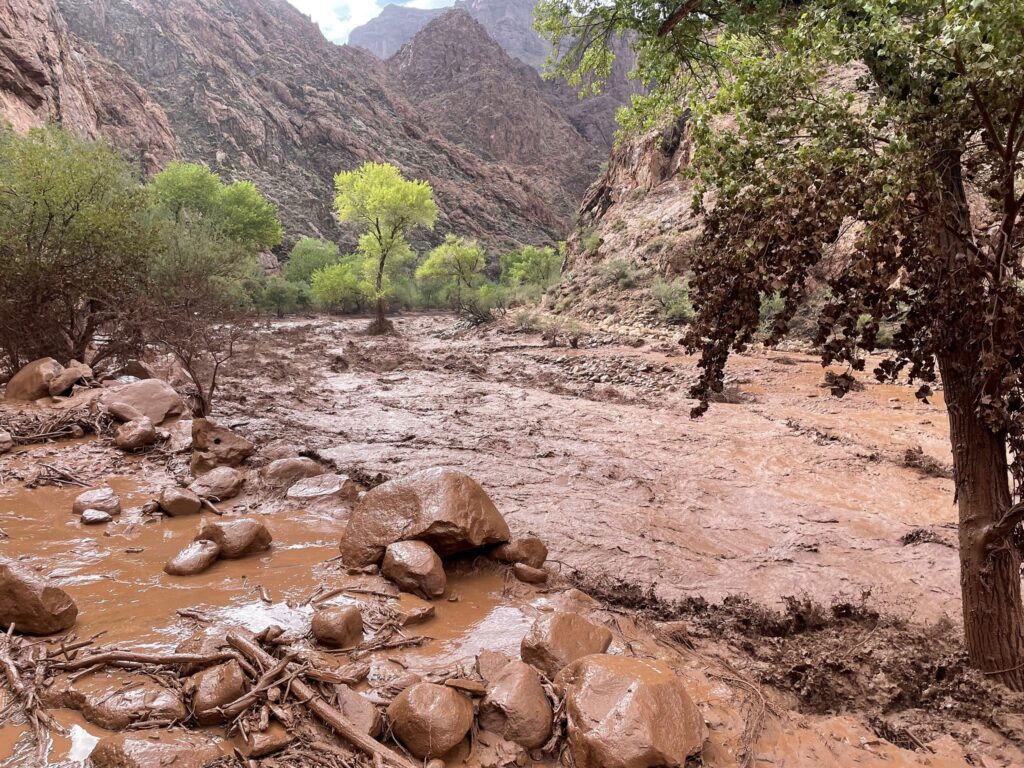
On August 29, a powerful monsoon storm triggered devastating flash flooding through Bright Angel Canyon and the Phantom Ranch area of Grand Canyon National Park.
The flooding swept through areas popular with hikers, destroying footbridges, damaging trails and infrastructure, and forcing emergency evacuations. Two people died, and as of the latest reports (as of September 3), one person remains missing.
More than 60 people were initially evacuated from Phantom Ranch and the lower North Kaibab Trail, with additional rescues and evacuations following.
The flooding occurred below the Dragon Bravo Fire burn scar, where burned soil and reduced vegetation can dramatically increase runoff. NWS also said there were four waves of rainfall, with the first three essentially priming the drainage before the final wave triggered the major flash flood.
This video shows DPS helicopters during search and rescue efforts on September 1. You see just how easily this narrow canyon, in an area known as The Box, could flood. About 0.75 inches of rain fell in a short period of time.
The flooding also claimed the lives of two friends from Granbury, Texas. John Giusti, 46, and Brent Rosenkranz, 42, were part of a group of three friends who had been eagerly planning their Grand Canyon trip. Their third friend, Timothy Smith, 53, of Wyoming, remains missing as search efforts continue.
What’s Open/Closed at the Grand Canyon National Park?
The good news for travelers is that the South Rim remains open for day use, including many of the viewpoints and experiences people associate with a first trip to the Grand Canyon. However, services are pretty limited. This flood did more than claim lives and cause extensive damage. Floodwaters severely damaged the Transcanyon Waterline, the critical system that supplies water to the park.
With the pipeline out of operation and water reserves limited, the National Park Service implemented its highest level of water restrictions. Overnight lodging inside the park remains suspended. That closes the:
- El Tovar
- Bright Angel Lodge
- Maswik Lodge
- Yavapai Lodge
- Trailer Village RV Campground
Where things get even more complicated is below the rim. Phantom Ranch, Bright Angel Campground, the North Kaibab Trail, and the Black and Silver bridges across the Colorado River are closed until further notice. On September 3, the National Park Service closed Bright Angel Trail at the Tonto Trail and South Kaibab Trail at The Tipoff. That puts doing a Rim-to-River hike out of the question.
That also takes the classic Rim-to-Rim hike off the table for now. For hikers who have spent months, and sometimes years, training and planning for that bucket-list trek, it’s particularly disappointing. We’ve heard from several who just wanted to cancel the trip altogether.
The good news for travelers is that the South Rim remains open for day use, including many of the viewpoints and experiences people associate with a first trip to the Grand Canyon. But a disrupted Grand Canyon itinerary doesn’t necessarily mean a canceled Northern Arizona vacation. With the South Rim still welcoming day visitors and Sedona roughly two hours away by car, this may be the time to rethink the itinerary rather than scrap it.
How Far Is Sedona from the Grand Canyon?
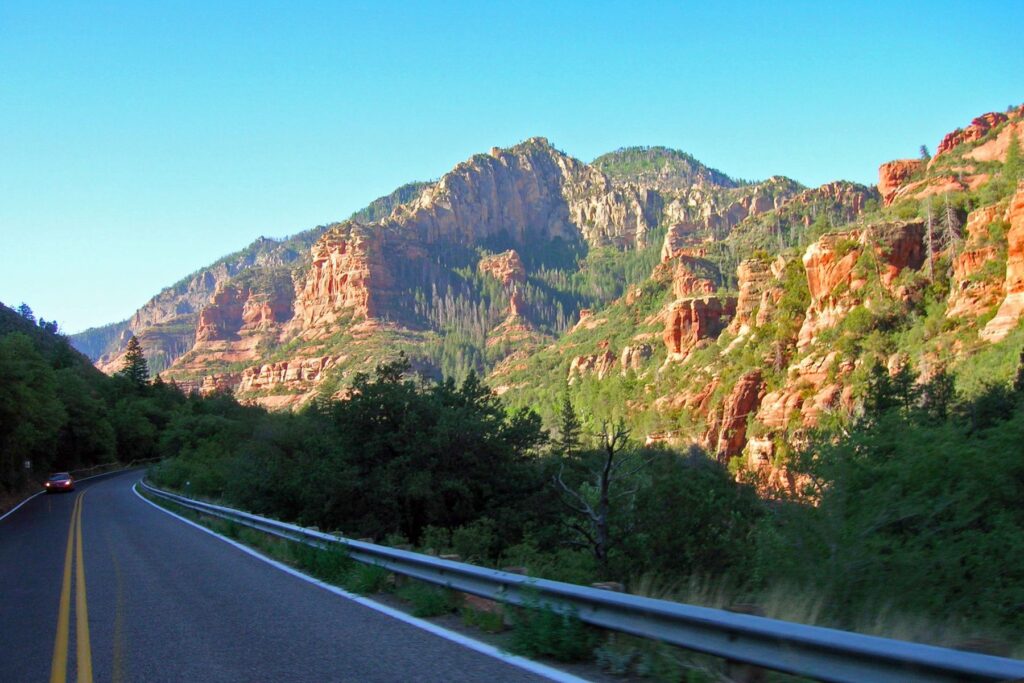
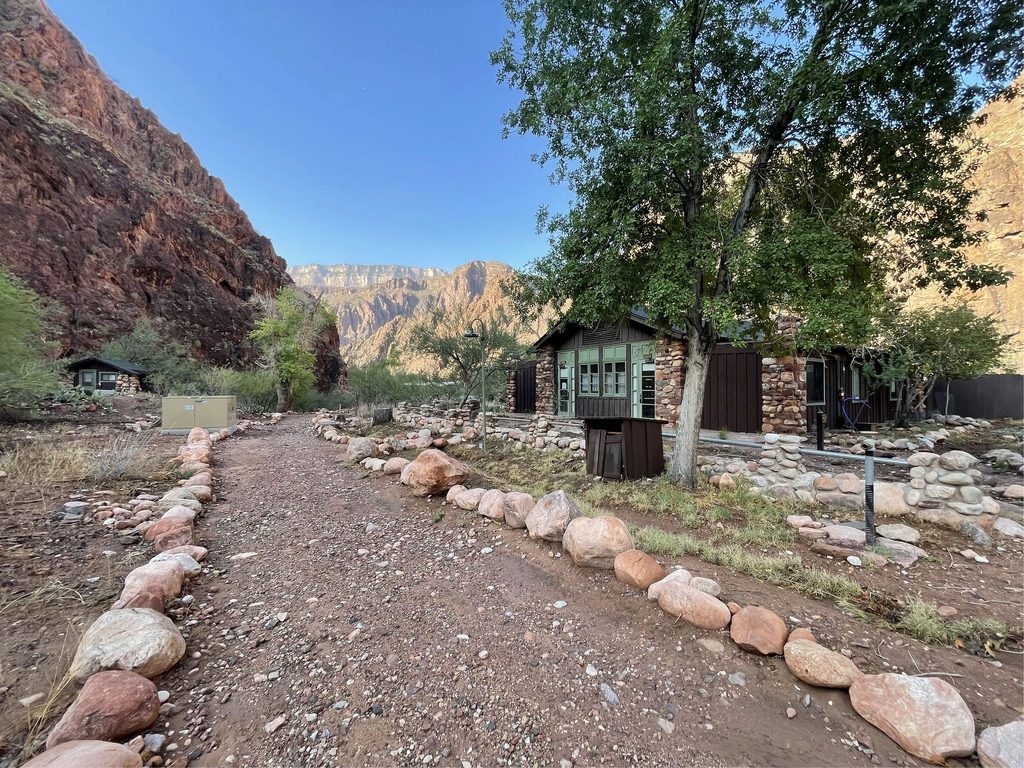
To get from the South Rim to the Red Rock Country of Sedona, it will take about two hours by car. However, it’s a pretty spectacular two-hour drive.
You’ll start high on the Colorado Plateau, surrounded by wide-open views and high-desert terrain, before passing through Flagstaff. You’ll be at the top of the Mogollon Rim before winding into Oak Creek Canyon on State Route 89A. Along the way, the landscape seems to change by the mile. Ponderosa pine forests give way to the steep walls of the canyon. The rock shifts from grays and pale limestone to the oranges and deep reds that signal you’re getting close to Sedona.
The descent through Oak Creek Canyon is one of those drives where getting there becomes part of the trip. At the same time, Sedona dealt with a natural disaster of its own this summer. The scars and risks from this summer’s pocket fires have some restrictions still in place. Check the Coconino National Forest website for specifics. However, you won’t regret the drive through Oak Creek Canyon.
5 Things To Do As a Back-Up Plan for a Grand Canyon Hike
Nothing compares to the Rim-to-Rim (or the R2R2R, as some of you brave souls were planning), but there are other epic hikes throughout Northern Arizona. Sedona can be a good home base for any of these adventures.
Sycamore Canyon
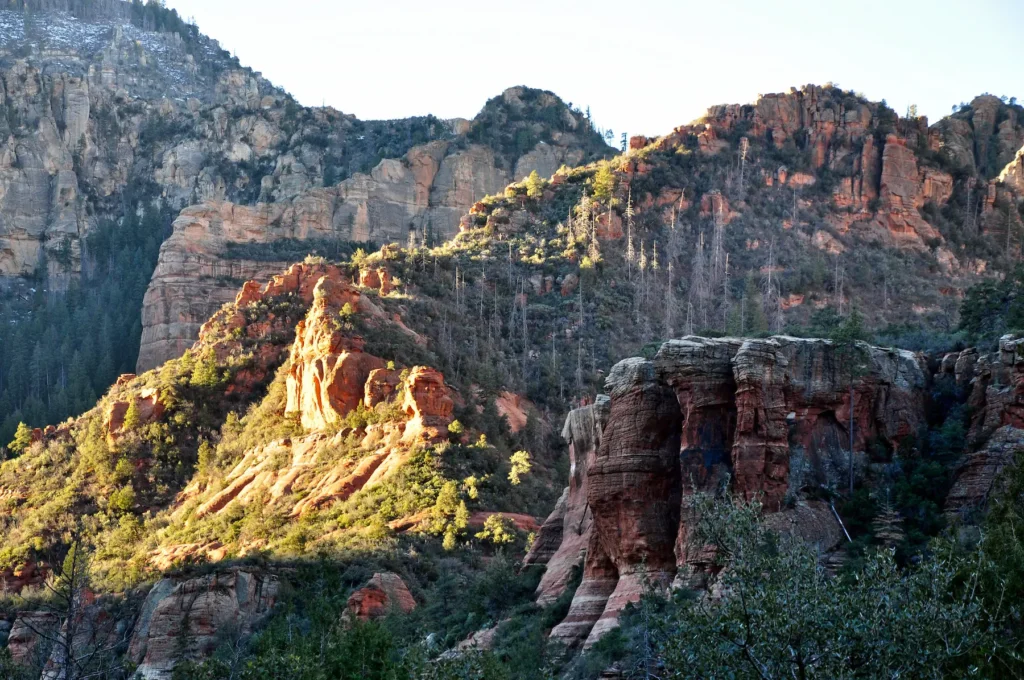
While it’s not the Grand Canyon, it’s the second “grandest” canyon in the state. Sycamore Canyon Wilderness stretches for about 20 miles along Sycamore Creek. It cuts through the Mogollon Rim with red sandstone cliffs, white limestone, forested plateaus, and Sycamore Creek below. It’s also considerably wilder than Sedona’s best-known trails, with several routes into the wilderness accessible from the Sedona area.
Cathedral Rock
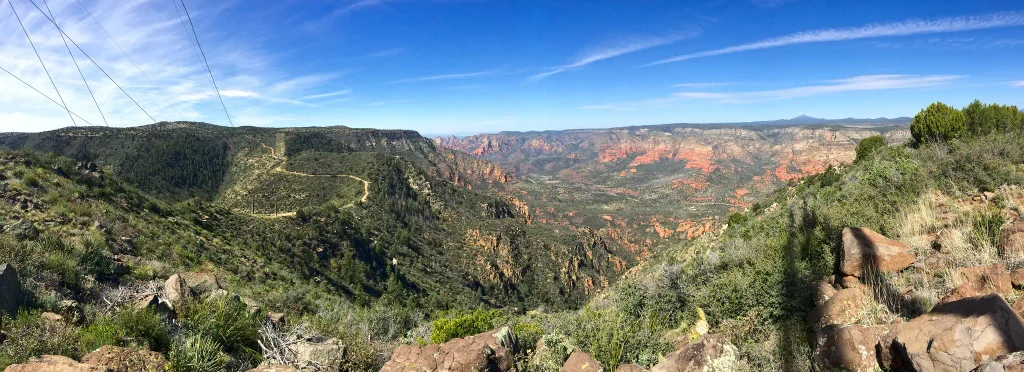
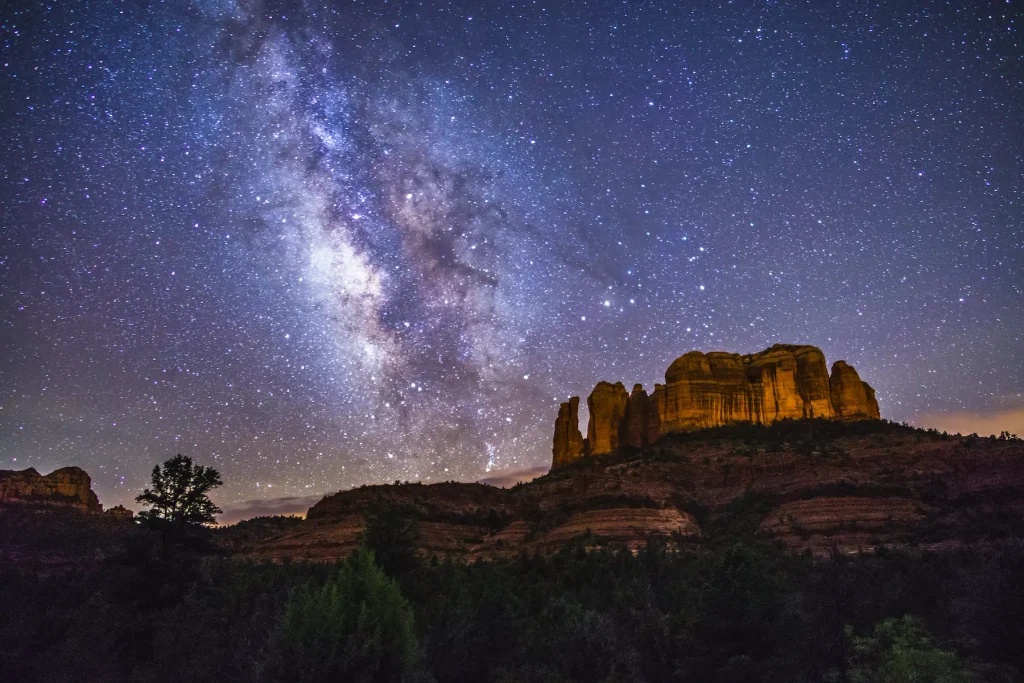
Far from the burn scar of the Pocket Fire, Cathedral Rock gives hikers a chance to tackle one of Sedona’s signature climbs. Don’t let the short distance fool you. The trail gains roughly 600 feet and includes steep slickrock sections where you’ll use your hands as much as your feet. Reach the saddle, and the payoff is a sweeping view across Sedona’s red-rock country. See it at night for stunning views of the Milky Way in a Designated Dark Sky Community. Yet another reason to stay overnight in Sedona!
Munds Wagon Trail
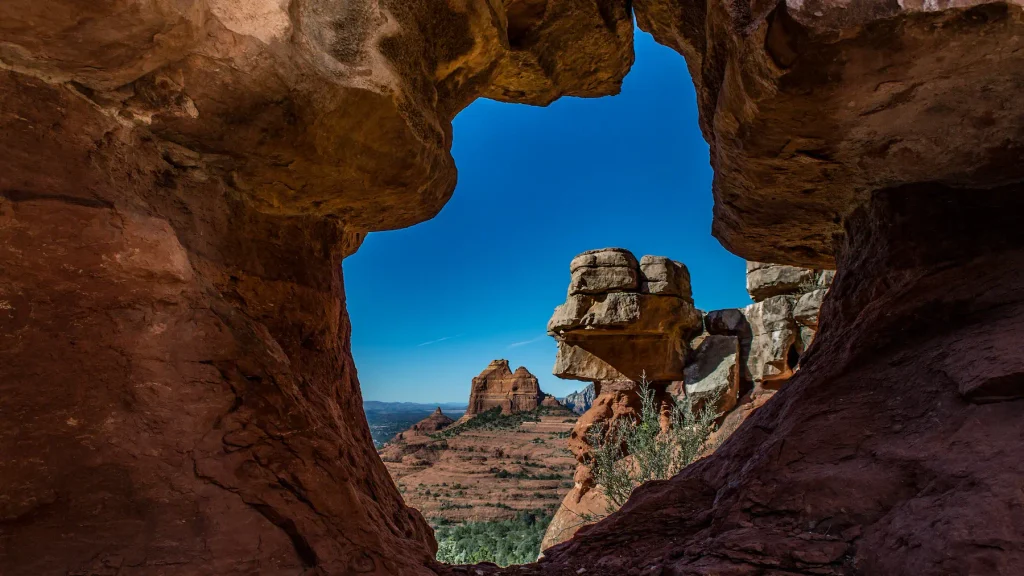
You’re not just going for a challenging hike; you’re walking in the footsteps of Arizona history. Munds Wagon Trail follows one of Sedona’s earliest cattle routes, later improved for wagon travel in the early 1900s. Today, the roughly eight-mile round-trip climb winds through Bear Wallow Canyon and past classic red-rock formations before reaching Merry-Go-Round Rock, with huge views back across Sedona as your reward.
Woodchute Trail
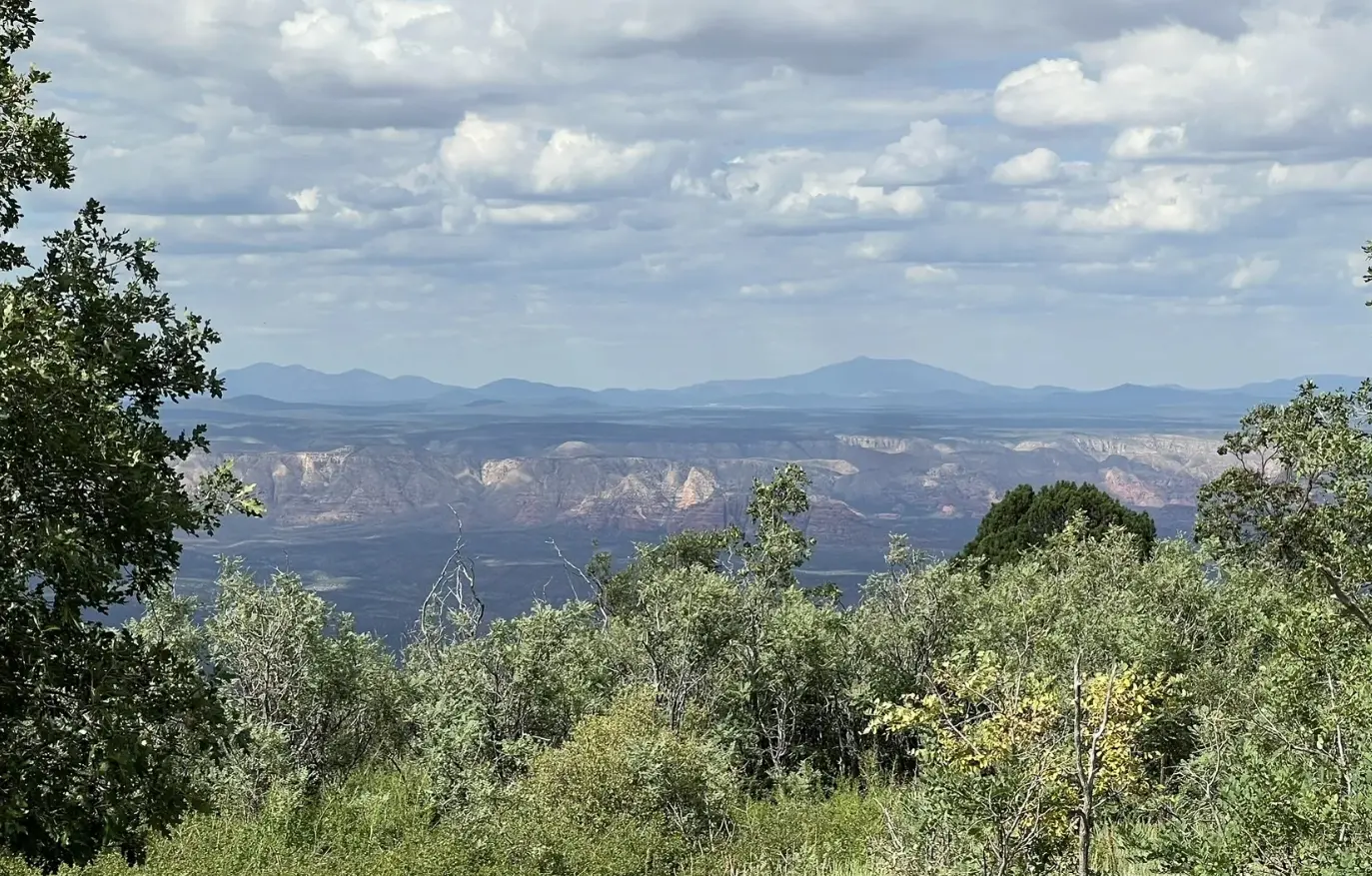
About an hour west of Sedona, Woodchute Trail trades red-rock scrambling for a high-country hike through the pines of Woodchute Wilderness. The 6.7-mile out-and-back gains about 990 feet, but the real draw is the ridgeline. Clearings reveal huge views across the Verde Valley toward Sedona, Sycamore Canyon, the Mogollon Rim, and even the San Francisco Peaks.
Hot Loop Trail
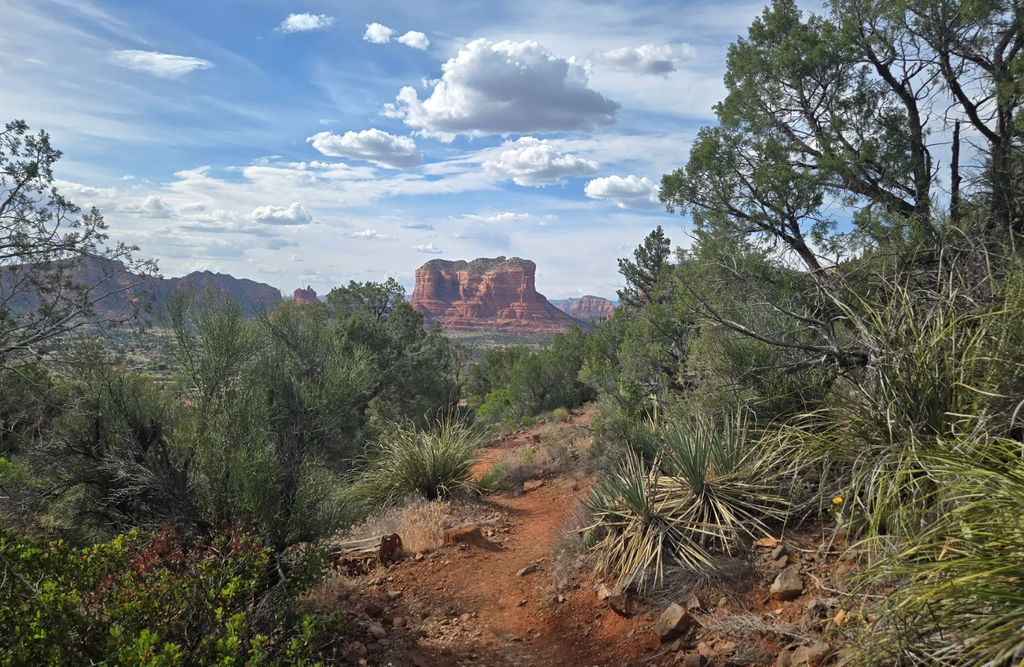
If your Grand Canyon plans included putting some serious miles on your hiking boots, Hot Loop Trail can still make you work for it. This strenuous 11.2-mile trail climbs more than 2,000 feet through the Munds Mountain Wilderness, eventually reaching Horse Mesa. From the top, the landscape opens into panoramic views of Sedona’s eastern red rocks, including Bell Rock, Courthouse Butte, Woods Canyon, and Sycamore Pass.
Change Your Plans, Not Your Destination
If you’re hesitant to visit the Grand Canyon during such a challenging time, we understand. But you don’t have to give up on Northern Arizona altogether. Come a little farther south and spend some time in Sedona.
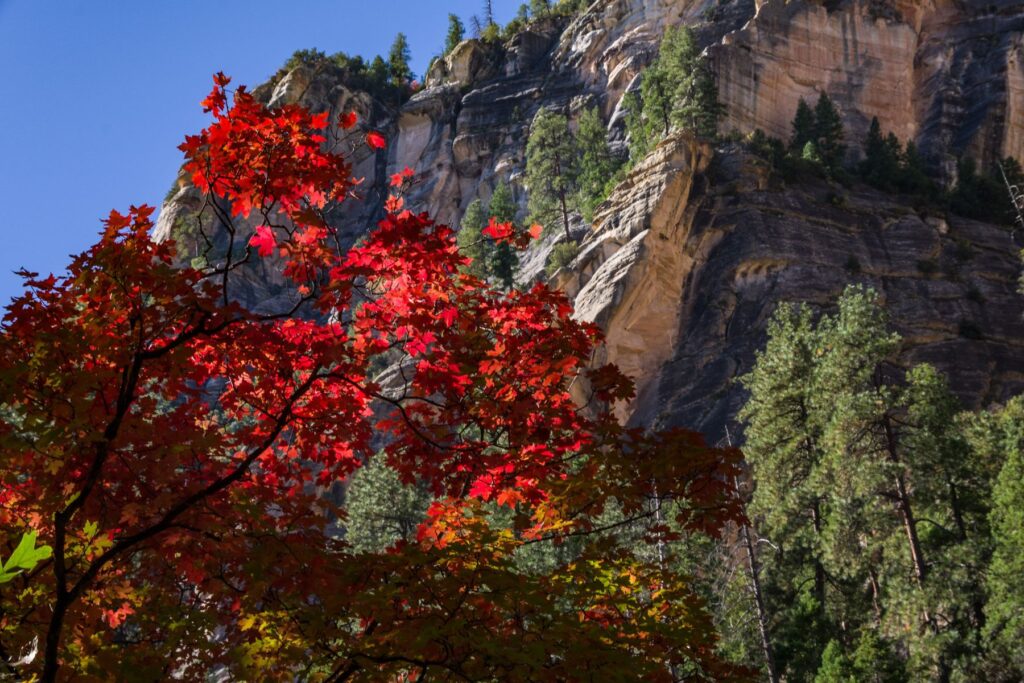
Fall is one of our favorite seasons here, with cooler hiking weather, changing leaves in Oak Creek Canyon, and a calendar packed with festivals and events. We’ve put together a complete Sedona fall guide to help you turn an unexpected change of plans into a trip you’ll still be talking about long after you get home.
And if you need a place to stay, we’d love to welcome you to Lantern Light Inn in West Sedona, near the Red Rock Scenic Loop Road and plenty of popular hiking trails. If you need transportation to or from the Grand Canyon, even if your overnight trip turns into a day trip, we have Exec Ride AZ ready to take you wherever you want to go. They do airport shuttle runs to Phoenix, Flagstaff, and Las Vegas.